
When Can a Florida Landlord Enter Your Rental?
When Can a Florida Landlord Enter Your Rental?
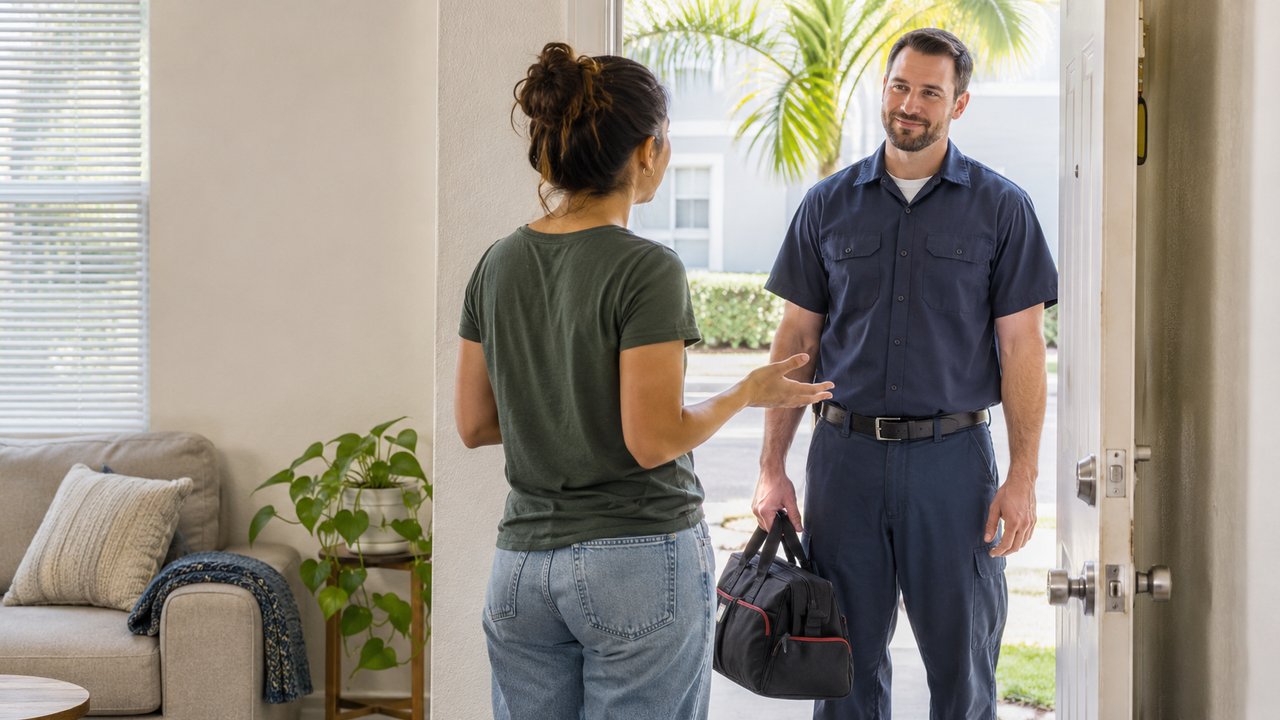
Florida landlords do not have unrestricted access to an occupied rental. For repairs, the statute specifies at least 24 hours' notice and entry between 7:30 a.m. and 8:00 p.m. Other access grounds include consent and emergencies. The purpose and circumstances matter; a repair notice rule does not describe every lawful entry.
General information only. Laws and deadlines depend on the state and the facts. This is not legal advice. See the disclaimer.
Does every entry require the same notice?
The statutory 24-hour rule specifically concerns repairs. Section 83.53 separately addresses inspections, showings, emergencies, protection of the premises and certain absences. Tenants may not unreasonably withhold consent for listed purposes, and landlords may not abuse access or use it to harass. Evaluate the actual reason for the visit before drawing conclusions.
Florida Statutes section 83.53, checked November 18, 2026, is the official source for these distinctions. This guide concerns Florida residential rentals; an unusual occupancy arrangement may require a separate review.
Instead of arguing over a vague message saying someone will stop by, ask for the purpose, proposed date and arrival window, and the name of the person attending. Keep the answer with the original message. A clear schedule makes it easier to identify whether the later visit matched what was described.
What should you do when a repair visit is proposed?
Save the notice and compare it with your maintenance request and calendar. If the proposed arrangement creates a practical problem, respond promptly with that problem and workable alternatives. Ask how the worker will identify themselves and which area needs access. Keep the exchange factual rather than assuming the request is hostile.
Prepare the relevant area without disturbing evidence of the problem. For example, move loose items away from a leaking sink, keep pets secure, and photograph the condition before the appointment. Do not attempt a dangerous repair yourself merely to avoid a visit.
If the underlying problem remains unresolved, the landlord repair guide addresses that separate dispute. Access scheduling and the obligation to address a defect should be tracked separately, even when both involve the same maintenance request.
How should you handle an unexpected arrival?
First focus on immediate safety and on identifying the visitor. Ask who arranged the visit and what they need to inspect or repair. Contact the manager using a number you already trust, not an unfamiliar number supplied at the door. Avoid a physical confrontation while you clarify the situation.
An urgent water leak and an ordinary showing are not the same event. Record the explanation given, whether you were home, and what happened next. Do not describe something as an emergency simply because a visitor uses that word; preserve the facts so they can be evaluated.
If you feel threatened, prioritize getting to safety and obtaining appropriate emergency help. This article is not a recommendation to block necessary protective work, surrender disputed rights, change the locks, or stop paying rent without advice about the actual situation.
Which records make an access dispute easier to assess?
Create a short chronological file showing the request, notice, response and visit. Retain full messages with timestamps, rather than screenshots cropped so tightly that the sender or date disappears. Distinguish what you personally observed from what someone later told you. A precise account is more useful than a long accusation.
Include the lease and access provisions, the original maintenance request, photographs of the condition, messages about scheduling and a dated note of who attended. Record the arrival and departure times if known. Do not fill gaps by guessing.
Keep repair invoices or follow-up messages if they are supplied. If the same condition later becomes a move-out deduction, the Florida deposit claim guide explains how to organize that different dispute. An access complaint does not itself resolve a deposit claim.
What if unwanted visits keep happening?
Summarize the pattern in writing with specific dates, explanations and earlier responses. Ask the manager to clarify the scheduling process and the reason for each disputed visit. Keep a copy of your request and any reply. If the disagreement continues, an independent lawyer can review the record and possible next steps.
Separate inconvenience from conduct that may support a legal remedy. A professional assessment should consider the agreement, the reason for entry, the communications and the surrounding facts. Avoid assuming that one disputed visit automatically ends the lease or entitles either side to a particular payment.
The Best Lawyer Around is not a law firm. This is general information, not a conclusion that a particular entry was lawful or unlawful.
Questions people ask
Should I confirm a repair appointment in writing?
A written confirmation helps prevent practical misunderstandings about the time, purpose and person attending. Keep it with the original request and ask about anything unclear before the visit. Your message should accurately describe what you agreed to, rather than suggest that a disputed arrangement has already been resolved.
What if I cannot remember the exact arrival time?
Say that the time is approximate and explain what you do remember. Check existing messages or other reliable records before writing a timeline. Do not turn an estimate into a precise timestamp. Keeping uncertainty visible makes your account easier to evaluate alongside the other evidence.
Is a maintenance request the same as the entire dispute file?
A maintenance request records one part of the history, but the later scheduling messages, visit notes and follow-up may answer different questions. Keep them together in date order. Preserve original files and make copies for review so the sequence remains understandable without relying entirely on memory.